Understanding the WIC Program: Eligibility, Benefits, and How to Apply
The Special Supplemental Nutrition Program for Women, Infants, and Children, better known as WIC, helps over 6 million families each month—making it one of the most widely used food assistance programs in the U.S. It works by giving you a specialized debit card to buy healthy foods like fruits, vegetables, whole grains, and infant formula at participating stores. Beyond groceries, WIC offers free nutrition counseling, breastfeeding support, and referrals to healthcare, all tailored to pregnant women, new mothers, and kids up to age five. To use it, you simply apply at your local WIC clinic, bring proof of income and residency, and get personalized benefits that adjust as your child grows.
What Exactly Is WIC and Who Qualifies for It?
WIC is a federal assistance program that provides healthy food, nutrition education, and breastfeeding support to low-income pregnant, postpartum, and breastfeeding women, as well as infants and children under five. Qualification is automatic if you already receive SNAP, Medicaid, or TANF, but you can also apply if your household income falls at or below 185% of the federal poverty line. You must also be individually assessed by a health professional—this often includes a simple weight, height, and iron test.
You don’t need to be a U.S. citizen to qualify; legal non-citizens and even some undocumented immigrants (for children) may be eligible.
Once approved, you get an eWIC card to buy specific items like milk, eggs, cereal, and infant formula at participating stores. The program is meant to fill nutritional gaps during critical browncountyhealthdept.org growth windows, not to cover all groceries.
Understanding the Core Services Beyond Just Food Assistance
Understanding the core services beyond just food assistance reveals WIC as a holistic health program. You gain access to personalized nutrition education, where counselors translate dietary guidelines into actionable meal plans for your child’s developmental stage. Beyond that, WIC offers crucial **breastfeeding support through certified lactation consultants**, providing hands-on help, pump loans, and troubleshooting that directly impacts long-term feeding success. The program also functions as a health screening gateway, offering growth checks, hemoglobin tests, and referrals to pediatricians or social services. These integrated services are designed to catch issues early and connect you to community resources, making WIC a comprehensive safety net rather than a simple grocery benefit.
Q: How does this help me daily? It means every clinic visit gives you practical, targeted strategies—from picky-eating tactics to mental health referrals—so you’re not just fed, but fully equipped to raise a thriving child.
Income Guidelines and Automatic Eligibility Through Other Programs
WIC’s income guidelines center on gross household earnings, typically capped at or below 185% of the federal poverty line, so your pre-tax pay—including tips and child support—counts toward the threshold. However, you can skip the paycheck math entirely through automatic eligibility via other programs: if you already receive SNAP, Medicaid, or TANF, you are income-qualified by default. Follow this quick sequence to confirm your status:
- Check if any household member holds active enrollment in SNAP, Medicaid, or TANF.
- Bring that proof—a benefits letter or card—to your WIC appointment.
- Let staff verify the linkage, and your income test is waived on the spot.
Families who lose those benefits can still re-apply under standard income calculations, but while active, you’re cleared for WIC without extra paperwork.
How to Apply for WIC: Step-by-Step Application Process
To apply for WIC, first confirm your eligibility by contacting your state or local WIC agency, as income guidelines and residency requirements vary. Next, schedule an appointment at a WIC clinic—most states allow phone or online booking. During the appointment, bring proof of identity (e.g., driver’s license), residency (utility bill), and income (pay stubs or Medicaid card); for children, bring their birth certificate and immunization records. A health professional will conduct a quick height, weight, and iron test. The application is completed at this appointment, after which you receive an electronic benefits card or checks to use at approved stores.
Bringing all required documents on the first visit avoids a second trip and delays in receiving benefits.
Renewal typically requires recertification every six months for infants and annually for children.
Documents You Need to Bring to Your Appointment
When you head to your WIC appointment, don’t stress about perfection—just bring the essentials. You’ll need proof of identity for yourself (driver’s license, state ID, or passport), proof of address (utility bill or lease), and proof of income for the household, like recent pay stubs or a Medicaid/ SNAP award letter. *If you’re applying for a child, bring their birth certificate or immunization record to confirm age and residency.* Also, bring your child’s medical records or a referral from a doctor if you have one. Missing a document? Call ahead—staff can often accept alternatives or let you submit them later, but they’ll need at least one item from each category to process your application.
Q: What happens if I forget my pay stubs?
A: No problem—bring a letter from your employer stating your hourly rate and hours, or a recent bank statement showing a direct deposit, and the staff will work with you to verify income on the spot.
What to Expect During Your First Certification Visit
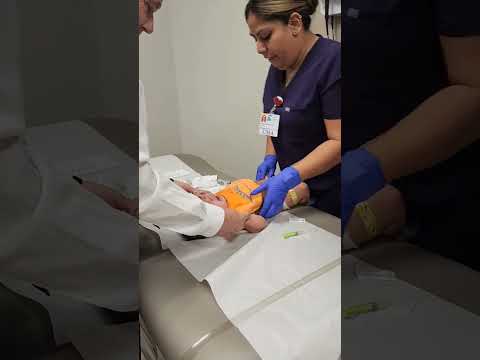
At your first certification visit, a WIC staff member will review your completed application, verify your identity, residency, and income, and conduct a quick health screening. This screening includes a height, weight, and a finger-prick blood test to check for anemia. You’ll discuss your dietary habits and any medical or nutritional risks with a nutritionist, who will then set your specific food package. To finish, you’ll receive an eWIC card and be shown exactly how to use it at approved stores. Your first certification visit typically lasts between 20 and 45 minutes, so plan accordingly. Bring all required documents and any infants or children you’re applying for, as they must be present.
- Check in and confirm your appointment details.
- Complete the required health and nutrition assessments.
- Review your assigned food benefits and receive your eWIC card.
Breaking Down the Monthly Food Package and What You Get
The WIC monthly food package is tailored to your specific category—pregnant, postpartum, or child—and provides a fixed set of staples rather than a general grocery allowance. You typically receive formula or infant cereal for babies, plus iron-fortified cereal, whole-grain bread or tortillas, and a set amount of milk, cheese, and eggs for parents and older kids. The package also includes canned fish (like tuna or salmon), dry or canned beans, peanut butter, and juice with vitamin C. Crucially, you get specific quantities, such as one gallon of milk and two dozen eggs per month for a woman, with adjusted portions for children. You redeem these items using your eWIC card at authorized stores, where only the listed brands and sizes are covered—meaning you do not get a monetary credit, but rather exactly what the package specifies. To maximize value, check the monthly issuance schedule on your card, as unused items do not roll over.
Approved Foods for Children, Women, and Infants

The monthly WIC food package is tailored to specific life stages, ensuring nutritional support for infants, children, and postpartum women. For fully breastfed infants, the package includes iron-fortified formula as a bridge, while partially breastfed infants receive a reduced amount, and non-breastfed infants get exclusive formula. Children up to five years old receive whole milk (reduced-fat after age two), iron-fortified cereal, eggs, peanut butter, and beans. Women benefit from high-calcium foods like cheese and yogurt, plus vitamin C-rich juices. All packages emphasize whole grains, including whole-wheat bread and brown rice, with fresh fruits and vegetables provided via cash-value vouchers.
- Infants: iron-fortified formula and baby cereal.
- Children (1–5): milk, eggs, and whole-grain options.
- Women: cheese, yogurt, and legumes for protein.
- All: cash-value vouchers for produce.

How to Use Your WIC Benefits at the Grocery Store
At the checkout, present your WIC EBT card first and separate your WIC-approved items from the rest of your groceries, ensuring the cashier scans them before any non-WIC products. Always verify your monthly food package checklist against your receipt before leaving, as WIC covers specific brands, sizes, and quantities like whole grains, produce, and infant formula. If an item is denied, check for approved substitutions listed in your state’s WIC app, then ask for a manual price override at customer service only if the item is clearly on your list. Finally, split transactions if you buy anything non-covered, so your benefits aren’t accidentally used for ineligible food.
Beyond Groceries: The Hidden Benefits of Being a Participant
Beyond the monthly food package, WIC participation unlocks a suite of practical supports that directly improve daily health management. You gain access to nutrition education tailored to your family’s specific growth stages, including hands-on breastfeeding support with access to pumps and peer counselors. More critically, WIC’s referral network connects you to community resources like dental care, immunizations, and sliding-scale health clinics, reducing the hassle of finding trusted services alone. The program also functions as an early screening system; your regular check-ins include growth monitoring and hemoglobin tests, which catch potential issues before they become urgent pediatric concerns. For working parents, the streamlined clinic processes and eWIC card offer quick, dignified transactions. Ultimately, these hidden benefits transform WIC from a shopping aid into a lifelong roadmap for your child’s developmental milestones, giving you concrete tools and professional allies beyond the grocery aisle.
Free Nutrition Counseling and Breastfeeding Support
Beyond the food benefits, WIC connects you with personalized nutrition counseling tailored to your health needs, pregnancy stage, or child’s growth. A registered dietitian reviews your eating patterns and offers practical, budget-friendly solutions for picky eaters or managing conditions like anemia or gestational diabetes. For breastfeeding, WIC provides dedicated peer counselors and lactation consultants who offer hands-on help with latch issues, pumping routines, and returning to work. You also gain access to breast pumps and one-on-one troubleshooting sessions by phone or in person. This ongoing, free support builds your confidence and ensures you never navigate feeding challenges alone.
Referrals to Healthcare, Immunizations, and Community Resources
WIC appointments routinely include referrals to healthcare, immunizations, and community resources, ensuring participants receive more than nutritional support. Staff connect families to pediatricians, dentists, and Medicaid or CHIP enrollment, closing gaps in primary care access. They also check immunization records against state schedules, offering direct links to local health departments or clinics that provide free or low-cost vaccines. Beyond medical care, WIC guides participants toward food banks, housing assistance, utility aid, and early intervention services for developmental delays. These referrals reduce barriers by providing phone numbers, contact names, and sometimes warm handoffs. This integrated approach helps families navigate fragmented systems efficiently, turning a grocery benefit into a gateway for whole-family stability and preventive health.
WIC’s referrals to healthcare providers, immunization sites, and local community services transform every visit into a practical entry point for preventive care and social support, directly connecting families to the resources they need.
Navigating Your WIC EBT Card and Managing Benefits Like a Pro
Mastering your WIC EBT card means treating it like a precision tool, not a debit card. First, download your state’s WIC mobile app to check your balance and transaction history in real time, which prevents checkout surprises. Always separate your WIC items from regular groceries at checkout because the system only approves specific food packages and brands. If a purchase is denied, re-check the package label against your approved list—many rejections stem from size or variety mismatches. Use your benefits strategically: shop early in your benefit cycle when stores have full stock, and never let “cash value” benefits for produce expire without planning a mid-month fruit run. For formula, scan the shelf for the exact WIC icon on the label, and always keep your receipt until the app updates, as this allows quick corrections. With these habits, you will reduce errors, stretch every allotment, and never surrender unused benefits.
How to Check Your Balance and Know When Benefits Expire
To master your WIC benefits, start by checking your balance through your state’s mobile app, the toll-free number on your card’s back, or the online portal—each updates in real time after every purchase. Because WIC benefits do not roll over, you must know exactly when they expire, typically at the end of each monthly cycle or on a fixed date printed on your receipt. Treat that expiration date as a non-negotiable deadline: plan your grocery trips around it, and use the app’s notification feature to alert you three days before funds vanish. Checking your WIC balance weekly prevents lost food and ensures you redeem every dollar before the clock resets.
What to Do If a Food Item Is Refused at Checkout
If a food item is refused at checkout, don’t panic—this is often a simple fix. First, check that the item matches your WIC-approved food list exactly, including size, brand, and type; a wrong variant triggers a denial. Ask the cashier to void the item and re-scan it, as a glitchy barcode is common. If it fails again, verify your benefit balance for that category—you may have exhausted it for the month. Finally, call the number on your EBT card; a representative can confirm eligibility live and, if needed, issue a correction. You can also request a manual override from the store manager if the system error is theirs.
- Compare the item’s UPC against your list before returning to the register.
- Politely request a price check or re-scan to rule out a terminal error.
- Save your receipt and call WIC customer service within 24 hours for a possible replacement benefit.
Maximizing Your Benefit Value: Smart Shopping Tips and Tricks

To maximize your WIC benefit value, treat your monthly food package as a precise shopping list, not a suggestion—prioritize purchasing every listed item before adding any non-WIC products, as unclaimed items are lost value. Compare unit prices across approved brands and opt for store brands when they match WIC’s approved product list, freeing cash for non-covered staples. Plan meals around your WIC’s perishable items, like milk and eggs, buying them last to reduce spoilage, and freeze approved whole-grain breads or cheeses immediately to extend their life. Also, check your state’s WIC app for real-time balance tracking, then pair your shopping with digital store coupons accepted alongside WIC for extra savings on the same categories. Quick tip: if a WIC-approved cereal is on sale but only the full-price version is in your package, ask the cashier to manually adjust—sales promotion applies to your benefit’s equivalency. Q: Can you use a store loyalty card with WIC? A: Yes—loyalty discounts are allowed on your WIC items, so always scan your card first to lower your out-of-pocket total.

Meal Planning with Your Food Package to Reduce Waste

Maximizing your WIC benefit begins with structuring meals around your monthly food package, not the reverse. Since WIC provides specific quantities of staples like milk, cheese, eggs, cereal, and produce, strategic meal sequencing prevents spoilage—for example, using fresh produce and dairy in the first week, then pivoting to frozen or canned items from allowed lists. Batch cooking grains and beans on pickup day stretches every unit, while a written weekly menu that cross-references your package’s exact allotments eliminates duplicate purchases. Track what is left before shopping, and freeze bread or cheese portions immediately to halt waste. Zero-waste WIC planning also means repurposing overripe fruit into muffins or smoothies, turning leftover cereal into breading, and using every vegetable stem in soups.
Q: How can I adapt meal planning if my WIC package changes monthly?
A: Build a flexible rotation of five core recipes that each use at least two WIC items—like egg-based frittatas, bean chili, or oatmeal pancakes—so substitutions stay easy when package sizes vary.
How to Use Farmers Market Vouchers for Fresh Produce
To use your WIC farmers market vouchers, first confirm that the market you visit participates in the program and displays the accepted voucher sign. Bring your vouchers and a valid ID to the market’s information tent, where staff can direct you to approved vendors. Present your vouchers directly to the farmer at their stall, and tell them exactly which items you want—typically fresh fruits, vegetables, and herbs. Maximizing your farmers market voucher value works best by shopping early for the freshest picks and asking vendors about lesser-known, budget-friendly produce. Since vouchers usually expire at season’s end, plan to use them weekly rather than saving them all at once, and remember that you cannot receive cash change if you spend less than the voucher’s face value.
- Always check the market’s entrance board for participating WIC vendors before shopping.
- Ask each farmer which specific produce items qualify under your voucher’s terms.
- Spend the full voucher amount in one visit, as leftover value is not refunded.
- Carry a cooler bag to keep delicate items like berries or leafy greens fresh on the trip home.
Common Problems and Quick Fixes: Your Questions Answered
For WIC participants, the most common frustrations—like a card that won’t swipe or an item flagged as “not approved”—usually have instant fixes without a clinic visit. Quick fixes start with checking your balance and item list in the WIC app, as many denials stem from selecting a wrong package size or brand. If your EBT card is locked after three bad PIN entries, call the number on the back; resetting takes under two minutes. For produce that rings up incorrectly, ask the cashier to void and re-enter the code manually. At home, if formula clumps or milk sours early, verify the storage temp—WIC allows replacements for spoiled items at your local office.
Always keep your last receipt; it lists exact approved items and simplifies any dispute.
When in doubt, use the store’s customer service desk—they have a direct WIC hotline to approve substitutions in real time.
What Happens if You Miss an Appointment or Lose Your Card
If you miss a WIC appointment, don’t panic—simply call your local office as soon as possible to reschedule. Reinstating your WIC benefits after a missed appointment usually requires no more than a quick phone call, and benefits are rarely cut off immediately. If your card is lost or stolen, report it right away to protect your balance; your office will deactivate the old card and issue a replacement, often same-day. Your benefits remain safe on file, so a lost card doesn’t mean lost food. Follow these steps:
- Call your WIC office to explain the miss or loss.
- Verify your identity with your ID and case number.
- Pick up your new card or request it by mail.
- Check that your benefit balance transferred correctly.
Act quickly, and you’ll keep your appointments and purchases on track without interruption.
How to Request a Food Substitution When Your Preferred Item Is Unavailable
When your usual WIC-approved item is out of stock, ask the cashier to check the register for an automatic substitution match, as many states pre-program acceptable alternatives. If it doesn’t ring up, request a manual override or a store-specific substitution voucher at customer service—most retailers have a binder of approved swaps. Your fastest path is to call your local WIC office while still in the store; they can approve a temporary brand change over the phone and note it in your file. However, you must keep the substitution within the same food category—like swapping whole-wheat pasta for brown rice—since cash-value benefits are not flexible across groups. Always bring the unavailable item’s label or your shopping list to prove the intended purchase.
To request a food substitution, ask for a register check, seek a manual store override, or call your WIC office for real-time approval—always staying within the same food category.